
PHA Polyhydroxy Acids
A new family of chemical exfoliators has taken skincare by storm; but what are PHAs—polyhydroxy acids—and why include them in our beauty rituals?

About PHA Polyhydroxy Acids
PHAs are second-generation skincare acids that help to resurface and retexturize for a softer, plumper appearance and reduced fine lines. Locking in moisture, they build natural defenses and protect against external aggressors while their large molecular weight is slow-penetrating and gentler on sensitive skin.
Garnier Products with PHA Polyhydroxy Acids
Garnier Products with PHA Polyhydroxy Acids
TIPS AND HOW TO'S
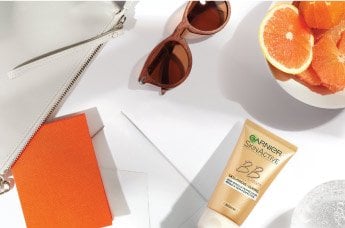
Moisturising
BB cream: what are its benefits and why should it be part of your routine?
Chances are pretty good that you’ve heard of it, but do you really know *what BB cream is used for*? This powerful, versatile cream was originally developed to help patients soothe and protect their skin after having a chemical peel. After discovering the many *benefits of using BB cream*, beauty experts helped it make the leap to the mainstream market, where it has soared in popularity since the year 2000. For more information about just what this product can do for you, read on!
Read More
Dry skin
How to fight dull skin: follow our top 4 tips for glowing skin
*Dull skin*: most of us have dealt with this at one time or another. Fortunately, you can *get healthy, glowing skin* again in no time. Read on for our top tips on *how to fight dull skin*!
Read More
Dry skin
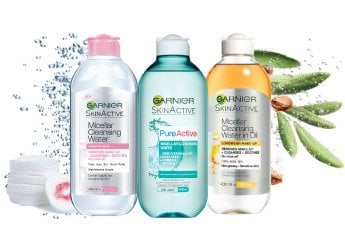
How to get your skin care routine in the right order: 4 steps to healthy skin
What’s the *right order to do your skin care routine*? It seems like a straightforward question, but if you’re not sure of the answer your skin could be missing out. Read this guide to an easy-to-follow daily face care routine, and you’ll soon be sporting a smooth, glowing complexion.
Read More
FAQ
What are PHAs in skincare?
Technically speaking, PHAs are considered second-generation AHAs, which means they are simply a more advanced version of chemical exfoliant. Gluconolactone is the most common PHA. You can find it in our Micellar Gentle Peeling Water. The thing that makes them different from their AHA and BHA counterparts, though, is the molecular structure. PHAs have a large molecular size and so it stays on the skin surface – which is where their power lies, while respecting the skin barrier.
How do PHAs work?
Are PHAs suitable for sensitive skin types?
Yes! PHAs are a good choice for those with sensitive skin, and the reason why comes down to the molecule size. Their large molecular structure allows them to stay on the skin's surface while respecting its barrier